Scenic Artist Oral History Project: A Heritage Explored and Recovered
The Scenic Artist Oral History Project preserves the voices and experiences of Hollywood scenic artists. Karen L. Maness and Richard M. Isackes wrote this article for the November/December 2014 issue of Perspective. It highlights the artists, teachers, and traditions that shaped Hollywood scenic art.
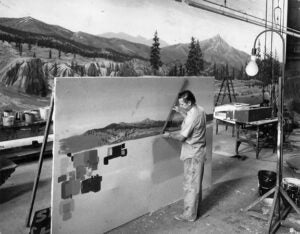
Instead of focusing only on finished backdrops, the article explores the people who created them. Veteran scenic artists describe how they learned perspective, color, composition, and painting techniques through years of apprenticeship and studio work. Their interviews record skills that future generations might otherwise lose.
The article features interviews with Wilbur Ferrell, Ron Strang, John Moffitt, Chris Coakley, Mike Denering, and many other respected scenic artists. It also recognizes the influence of masters including George Gibson, Ben Carré, Clark Provins, Clem Hall, Duncan Allanson Spencer, and John H. Coakley. Together, their stories trace the development of Hollywood scenic art across several generations.
The authors also explain how digital production changed the profession. Even so, they emphasize that skilled scenic artists remain essential because they combine technical knowledge with artistic judgment. The oral history project helps preserve that knowledge for artists, historians, educators, and researchers.
Why Oral Histories Matter
The Scenic Artist Oral History Project serves as an important historical resource for both the film industry and future researchers. Oral histories preserve details that photographs and production records cannot capture, including studio culture, painting methods, working relationships, and the personal experiences of scenic artists. As more members of Hollywood’s Golden Age pass away, projects like this ensure that their knowledge remains available for educators, students, museum professionals, and historians. In addition, these interviews recognize scenic artists as creative contributors whose work helped shape the visual identity of countless films. By documenting their voices alongside their artwork, the project preserves an important part of cinema history for future generations.