Bill Anderson
Bill Anderson’s Career
As a scenic artist at J.C. Backings, Bill Anderson contributed to the creation of large-scale painted backdrops for motion pictures. His documented work includes surviving backdrops associated with The Sound of Music and scenic painting for Beneath the Planet of the Apes. These productions required artists to create expansive scenic environments that extended film sets beyond their physical limits.
Anderson also collaborated with fellow scenic artist John Coakley on tree painting, one of the specialized skills required in scenic art. Large Hollywood backdrops were often completed by teams of artists, with each artist contributing expertise in landscapes, architecture, skies, foliage, or other scenic elements. This collaborative approach allowed studios to complete monumental paintings efficiently while maintaining a consistent artistic style.
Bill Anderson’s Legacy
Although relatively little biographical information survives, Bill Anderson’s documented work reflects the collaborative nature of Hollywood scenic art. His contributions to two backdrops for The Sound of Music, work on Beneath the Planet of the Apes, and collaboration with John Coakley demonstrate the specialized craftsmanship required to create large-scale painted scenery. Photographs, oral history interviews, and Karen Maness’s research preserve Anderson’s place among the scenic artists whose work helped shape the visual landscapes of twentieth-century motion pictures.
Bill Anderson’s career reflects the teamwork that defined Hollywood scenic art during the studio era. Scenic artists combined their individual specialties to create seamless painted environments that extended film sets and brought stories to life on screen. Whether painting landscapes, foliage, architectural details, or atmospheric effects, each artist contributed to the finished backdrop. Anderson’s documented work with John Coakley illustrates the collaborative craftsmanship that made these large-scale productions possible.
Bill Anderson’s surviving photographs and documented projects provide valuable evidence of the collaborative nature of Hollywood scenic art. While many scenic artists remained uncredited on screen, archival collections and oral history research have helped preserve their contributions. Together, these records offer a clearer understanding of the skilled craftspeople whose painted environments became an essential part of twentieth-century filmmaking.
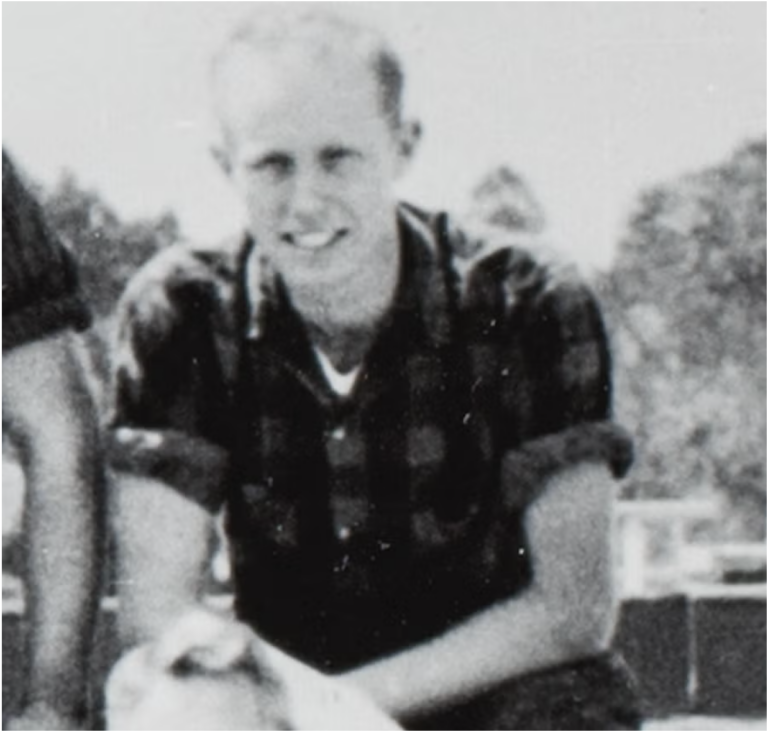
Scenic artist Bill Anderson at JC Backings
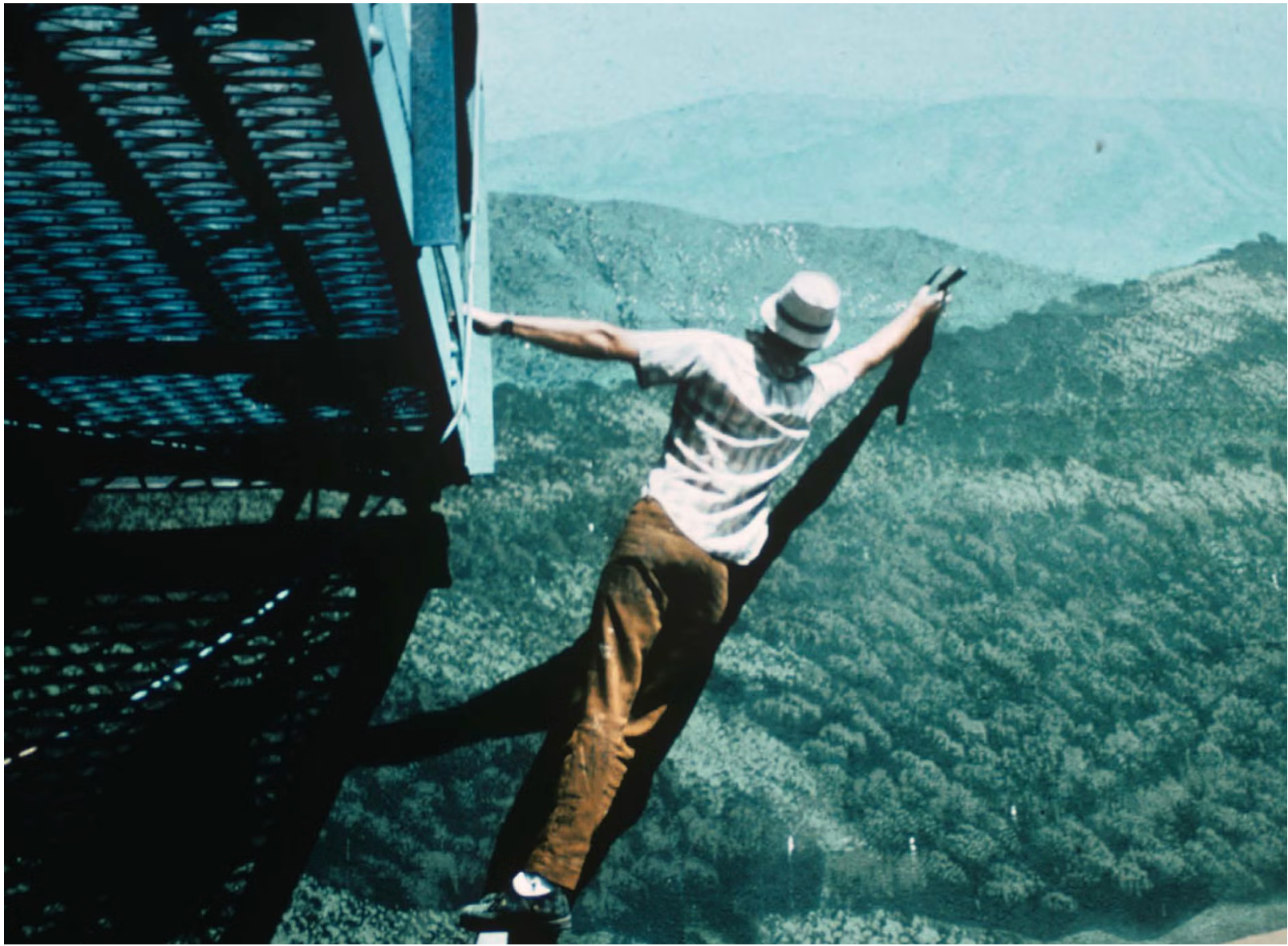
Photo of Bill Anderson as he reaches out on scaffolding to paint on the 20th Century Fox tank stage for Tora Tora Tora (1970)
Coakley Family Collection, Bill Anderson Collection